There was a time when metal roofing would not even be considered as a material for a residential roof installation. Metal roofs were traditionally used in industrial and agricultural settings because their hardy, utilitarian nature was better suited for warehouses, barns, and factories. Their rugged appearance and focus on function over form made them an unlikely choice for residential properties.
However, advancements in roofing technologies and design have transformed metal into a highly viable and attractive option for homes today. Modern metal roofing systems are engineered not only for exceptional strength and longevity but also for aesthetic appeal. They are now available in a wide variety of colors, finishes, and styles, including options that mimic the look of traditional shingles, slate, or even wood shakes.
In addition to their visual versatility, metal roofs offer impressive durability. They can withstand extreme weather conditions such as heavy rain, high winds, hail, and even fire. This resilience makes them an ideal choice for homeowners looking for a long-lasting, low-maintenance roofing solution. Metal roofs also reflect solar heat, helping to improve energy efficiency and potentially lower cooling costs during hot weather.
Furthermore, metal roofing is often made from recycled materials and is fully recyclable at the end of its lifespan, making it an environmentally friendly choice.
Thanks to these developments, homeowners no longer have to choose between durability and design. Metal roofs provide the best of both worlds—strong, reliable protection for decades, while enhancing a home’s curb appeal and value.
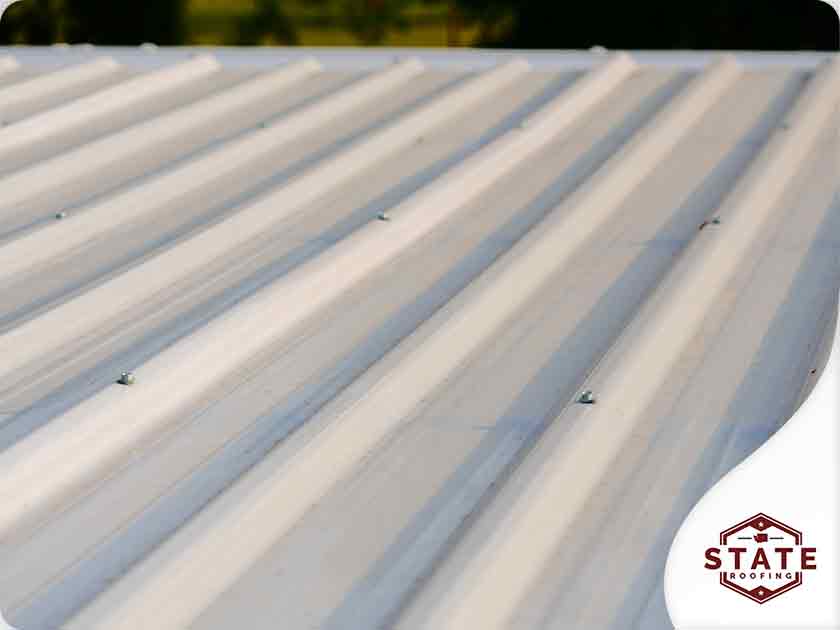
Despite its growing popularity, there are still a lot of misconceptions that surround metal as a roofing system. Let our experts at State Roofing & Exteriors shed some light on these myths and show you whether they are worthy of being believed or not.
Metal Roofs and Lightning
Perhaps the biggest misconception many have about metal roofing systems is that it is vulnerable to lightning strikes. Metal is, after all, a conductor of electricity and people tend to believe that this can make them dangerous under a thunderstorm. While yes, metal is a good conductor, it’s not true that they can attract lightning or that they are dangerous when struck by electricity. Modern metal roofs channel the energy safely to the ground, keeping you and your home more safe under a metal roof during a thunderstorm compared to other roofing materials.
Metal Roofs Can Get Extremely Hot
The truth behind this myth is a little counterintuitive. Yes, metals can absorb and retain a lot of heat energy, however, this does not will not make your home hotter or less energy-efficient. Because it can hold more heat that would otherwise have been spread out to the rest of your home, metal roofs can actually make your interiors cooler. With the right amount of attic insulation, the efficiency of metal roofs are comparable, even better than, other roofing materials.
Metal Roofs Rust
The metals used in a roofing installation are often alloyed with non-reactive metals, which prevents it from developing rust. Rust is a natural chemical reaction that occurs when iron reacts with oxygen and moisture, resulting in the formation of iron oxide. This process, while common, can significantly weaken and deteriorate metal over time, which is why it has traditionally been a major concern when it comes to metal roofing.
Fortunately, most metals used in roofing today are specially engineered to resist rust and corrosion. Modern metal roofing materials are often made from steel coated with a layer of zinc (known as galvanized steel) or a combination of zinc and aluminum (known as Galvalume). These coatings act as a protective barrier, preventing moisture and oxygen from reaching the underlying metal and significantly extending its lifespan.
Additionally, aluminum roofing, which does not contain iron, is naturally resistant to rust and is a popular choice for homes in coastal areas where salt air can accelerate corrosion. Copper and stainless steel are other high-end options that offer excellent resistance to rust and corrosion, along with distinctive aesthetic appeal.
To further enhance durability, metal roofs are also finished with specialized paint systems and protective coatings that add another layer of defense against the elements. These finishes help maintain the roof’s appearance, reduce fading, and provide extra protection against rust and environmental damage.
Thanks to these advancements, homeowners can enjoy the many benefits of metal roofing—such as durability, longevity, and energy efficiency—without worrying about rust compromising their investment.
Learn more about the benefits of metal roofing with the help of our roofing professionals at State Roofing & Exteriors. Give us a call or fill out our contact form to schedule a consultation and request a free estimate on new metal roofs today. We serve homeowners in Seattle, and all surrounding areas in WA.
Subscribe to State Roofing & Exteriors's Blog

Comments