A roof replacement is a major home improvement project, so you will want to carefully prepare a budget for your new roof. Your budget is an essential tool that helps you plan how much to set aside to get your roof replacement project done. It guides your choices on materials, design, and contractor selection, ensuring you don’t overspend. However, even with careful planning and thorough research, there are often unexpected factors that can affect your final roof replacement costs.
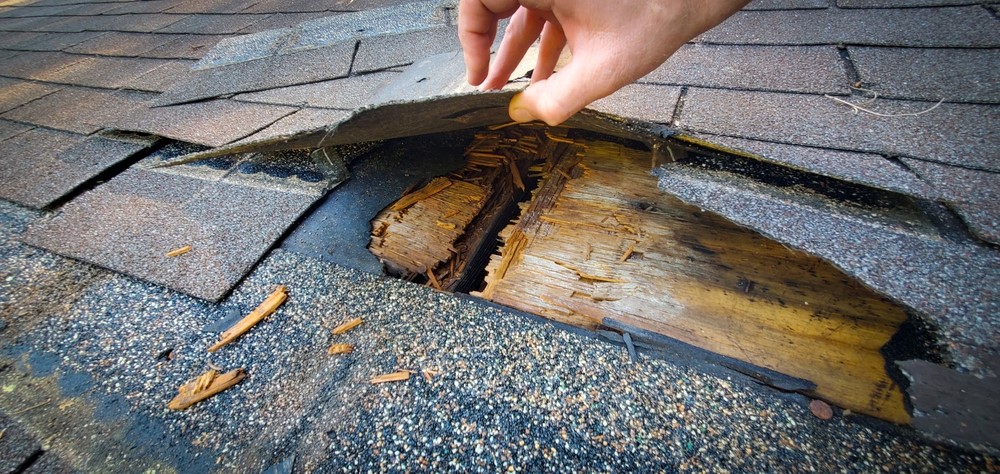
For example, once your roofing contractor starts removing the old roof, they may uncover hidden issues such as water damage, wood rot, or mold in the underlying structure. These problems need to be addressed before the new roof can be installed properly, leading to additional labor and material costs.
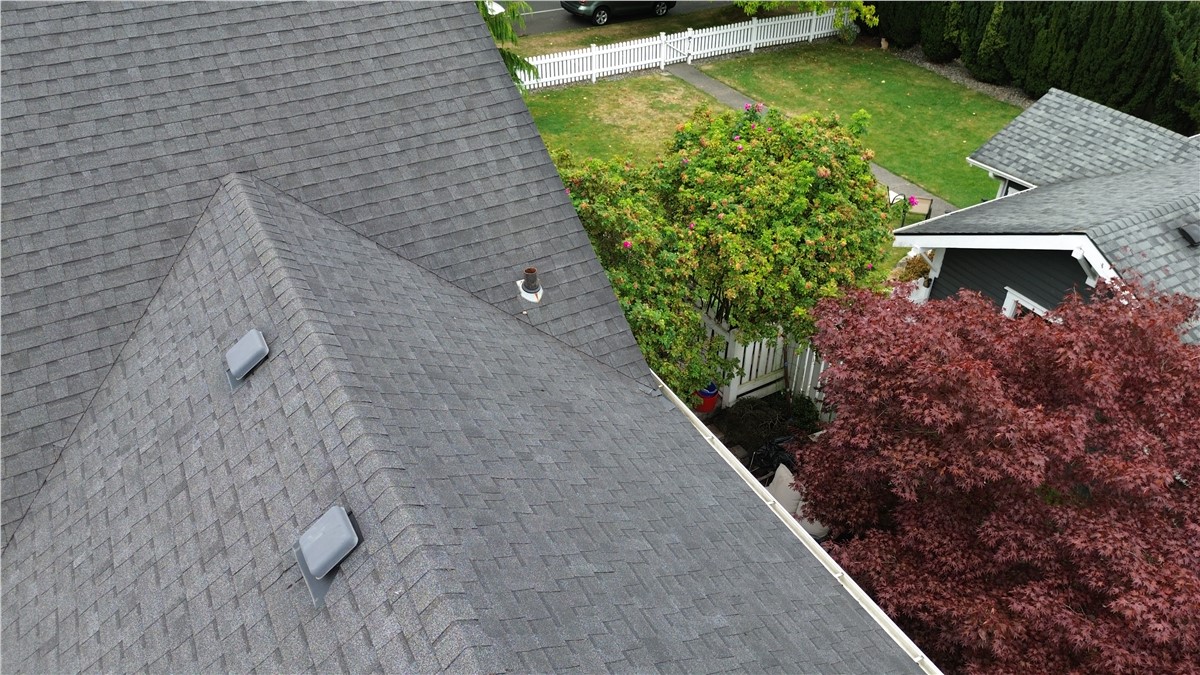
Another factor that can impact costs is the complexity of your roof’s design. Roofs with steep slopes, multiple valleys, skylights, or chimneys require more labor and specialized techniques, which can increase expenses.
Additionally, local building codes may require certain upgrades or improvements to meet safety and structural standards. This could include adding new underlayment, improving ventilation, or reinforcing the roof deck—costs that might not have been included in your initial estimate.
Weather delays or supply chain issues can also contribute to unexpected expenses. Bad weather can prolong the project, increasing labor costs, while material shortages may lead to higher prices or the need to choose alternative products.
To better prepare for these surprises, it’s wise to set aside an extra 10–20% of your budget as a contingency fund. Open communication with your roofing contractor and a clear understanding of potential risks can help you avoid stress and ensure your project stays on track, even if unexpected challenges arise.
Mold and Leaks
Mold, leaks and other signs of moisture damage can affect your roof replacement project. Before installing your new shingles, your roofer needs to remove mold or mildew and address roof leaks. In some situations, leaks can go unnoticed until the shingles are removed during a roof replacement. These leaks can cause all kinds of damage, including rotten plywood. The material and labor cost to remove mold and replace rotten plywood can increase the overall cost of your project.
Water Traps Due to Poor Design
As with leaks, water traps may not be obvious until the old roofing materials are torn off. These areas are prone to leaks because of runoff areas that direct too much water to one place. In addition to leaks, water traps can also damage your shingles and other materials such as siding and trim. If your contractor finds signs of water traps, the cost to eliminate them will be added to your roof replacement.
New Roof Upgrades and Alterations
If you are replacing your roof to increase the resale value of your home, you may consider investing in upgrades and alterations. These include low-maintenance gutters or durable roof underlayment. Either way, these will cost money, which is why you should include them in your roof estimate. If you incorporate the cost of the alterations later on, your roof replacement expense will increase as you received an estimate based on standard roofing.
Code Noncompliance
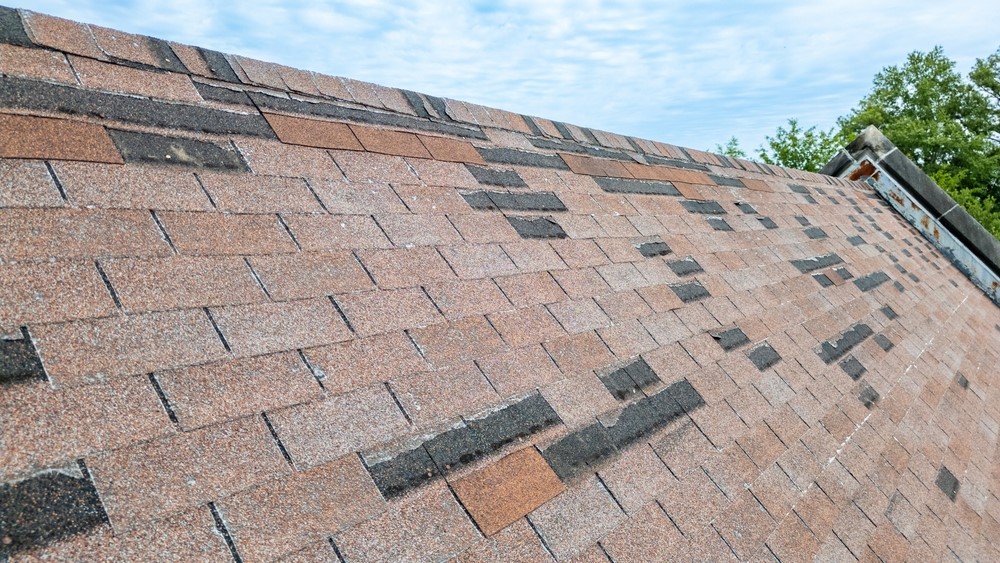
Your roof may have been built to meet decades-old building codes that no longer apply today. If so, you will need to spend extra money to bring your roof up to code during the replacement. These building codes ensure the public's safety and prevent damage. If your roof is noncompliant, your local government may fine you.
When it comes to roof replacement, trust State Roofing & Exteriors. Rest assured that our residential roof installation professionals are determined to assist you with your needs. Call us today or fill out our online contact form to set an appointment. We serve homeowners in and around Seattle, WA.
Subscribe to State Roofing & Exteriors's Blog





Comments