Your commercial roof system plays a major role in protecting your tenants, employees, inventory, and equipment from harsh weather conditions such as heavy rain, high winds, snow, and extreme heat. It acts as the first line of defense against the elements and helps maintain a comfortable and safe environment within your building. However, like all components of a commercial property, your roof is not built to last forever.
The life expectancy of a commercial roof can vary significantly depending on several factors. Climate plays a crucial role—areas with frequent storms, strong UV exposure, or drastic temperature changes can accelerate wear and tear. The type of roofing material used is also a major factor. For instance, metal roofs can last 40–70 years, while single-ply membranes like TPO or EPDM generally have a life span of 20–30 years with proper maintenance.
Installation quality and ongoing maintenance are equally important. Even the most durable roofing materials can fail prematurely if the installation is flawed or if regular inspections and upkeep are neglected. Common maintenance tasks such as clearing debris, repairing small leaks, and ensuring proper drainage can extend your roof’s lifespan and prevent expensive damage.
Ultimately, understanding the condition and limitations of your commercial roofing system is key to managing its performance and longevity. Proactive maintenance, timely repairs, and professional assessments can help you avoid costly disruptions and ensure continued protection for your business operations.
To ensure that your commercial roof performs well and maintains a long service life, take the time to read this article from State Roofing & Exteriors, a leading exterior improvement company known for quality roofing systems and decks.
Schedule Regular Roof Inspections
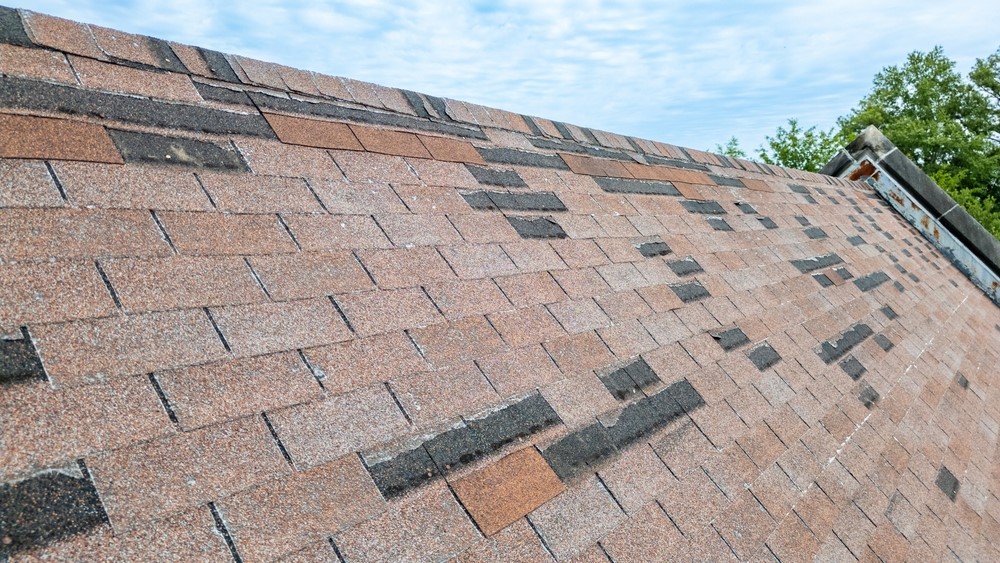
It's highly important that you schedule a professional roof inspection, preferably twice a year or after heavy storms. To help determine the current condition of your roof, your chosen roofer will examine for any signs of damage or leaks. Repairing these issues before they get worse reduces roof damage and helps prevent premature failure.
Implement Roof Maintenance and Repairs
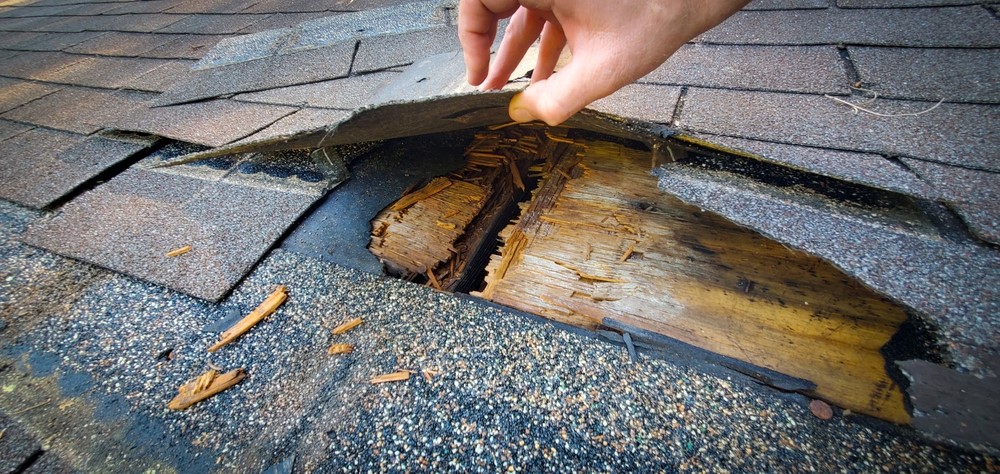
In the event your commercial roof suffers damage, you must have it repaired or replaced as soon as possible. However, take note that roofing work, much like home improvement projects, must be carried out by an experienced contractor. As a property owner, it's also essential that you adhere to safety and fall protection guidelines set by OSHA.
Invest in Technology
Thanks to recent innovations in roofing technology, building owners and facility managers now have more advanced tools than ever to monitor the overall condition of their commercial roofs. These technologies not only help detect existing issues but also play a crucial role in preventing future problems by identifying signs of wear, moisture intrusion, or structural weaknesses early on.
Today’s diagnostic tools are designed to provide accurate, non-invasive assessments of roofing systems, mechanical equipment, and building enclosures. They help pinpoint the exact location and cause of issues—whether it’s a small puncture, trapped moisture, or a hidden leak—without the need for destructive testing or guesswork.
Incorporating these technologies into your routine roofing assessments can save both time and money while offering peace of mind. They provide a clearer understanding of your roof’s performance and help ensure that necessary repairs or maintenance are carried out efficiently and effectively.
By following these tips, your commercial roofing system can remain durable and weatherproof for a long time. For your commercial roofing needs, turn to State Roofing & Exteriors. We also offer other home improvement services, including installing and repairing decks. Call or fill out our contact form to request an estimate. We proudly serve homeowners in Seattle, Tacoma and surrounding areas.
Subscribe to State Roofing & Exteriors's Blog

Comments