
A leaking roof might seem like a small nuisance at first—a little water here, a stain on the ceiling there. But even minor leaks can escalate quickly into serious damage, affecting everything from your attic insulation to your home’s structure and electrical systems. If you’ve noticed signs of a roof leak, it’s crucial to act fast—and wisely.
In this guide, we’ll explain how roof leaks are identified and repaired, why DIY roof repairs can do more harm than good, and why working with professional roofers like State Roofing & Exteriors is the safest and most effective way to handle a roof repair.
What Causes a Roof Leak?
Roof leaks can stem from several sources, and many aren’t immediately visible from the ground. Some of the most common culprits include:
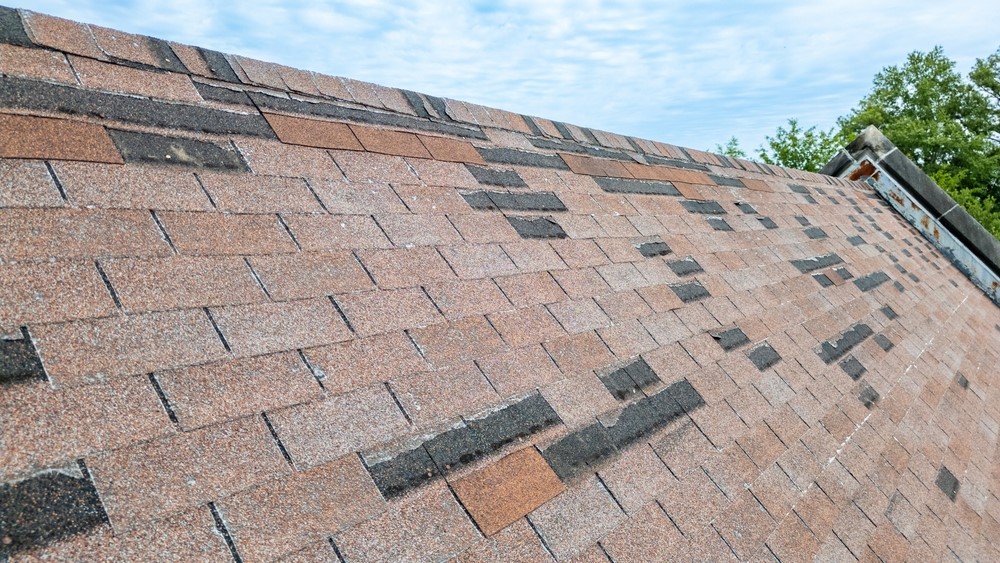
- Damaged or missing shingles
- Cracked flashing around vents or chimneys
- Clogged gutters causing water to back up
- Ice dams forming in winter
- Aging roofing materials that have deteriorated over time
Sometimes, the leak isn’t directly above the visible water damage inside your home. Water can travel along rafters or insulation before it shows up as a stain or drip, making accurate diagnosis a job for experienced professionals.

Why Prompt Roof Leak Repair Matters
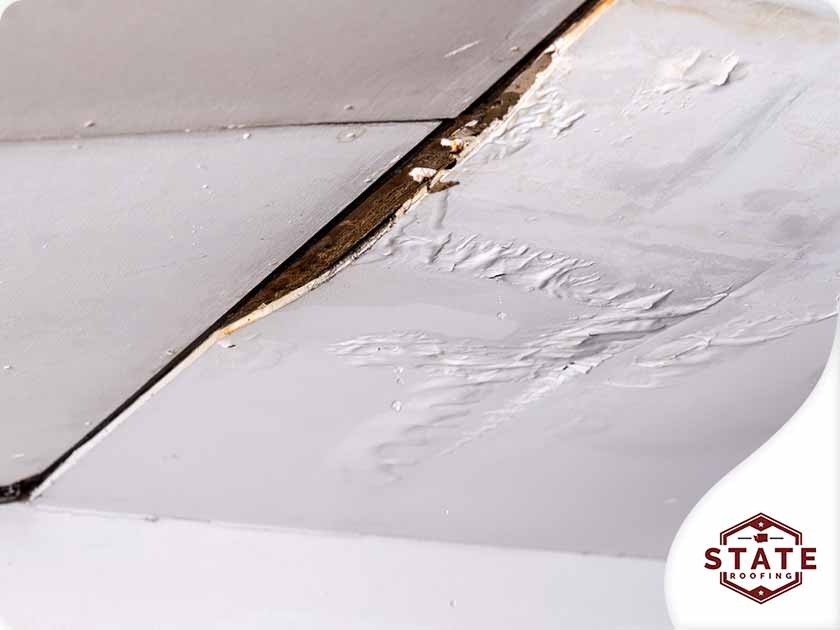
Even a small leak can cause big problems if it’s left unaddressed. Leaks can lead to warped drywall, ceiling stains, and rotting wood. Even worse, moisture creates a perfect breeding ground for mold, which can harm both your home and your health.
Wet insulation also loses its effectiveness, increasing your heating and cooling costs. And don’t discount the potentially detrimental and lasting risks: Long-term water exposure can weaken beams, ceilings, and even your foundation.
Prompt roof repair isn’t just about avoiding damage—it's also about protecting your investment and keeping your family safe and dry.
How to Fix a Leaking Roof (Hint: Call a Pro)
We often hear homeowners ask: "How do you repair a leaking roof?" or “Can I fix it myself?” The short answer is: No. It's not as simple—or as safe—as it might seem.
Let’s break down what actually goes into a professional roof leak repair.
Step 1: Inspection and Leak Detection
Our skilled roofers begin by performing a full inspection to determine the source of the leak. This might include:
- Checking shingles and flashing
- Examining gutters and downspouts
- Inspecting the attic for water trails or mold
- Looking for signs of wear or damage to roof penetrations (vents, chimneys, skylights)
Because water can travel before becoming visible, tracking down the true source takes trained eyes.
Step 2: Assessing the Damage
Once the source is found, the next step is to evaluate how far the damage has spread. Has the underlayment been compromised? Are there signs of structural weakness or rot? An experienced contractor will look beyond the surface to identify what needs to be fixed, now and to prevent future problems.
Step 3: Making the Repairs
Depending on the issue, roofing repairs may include:
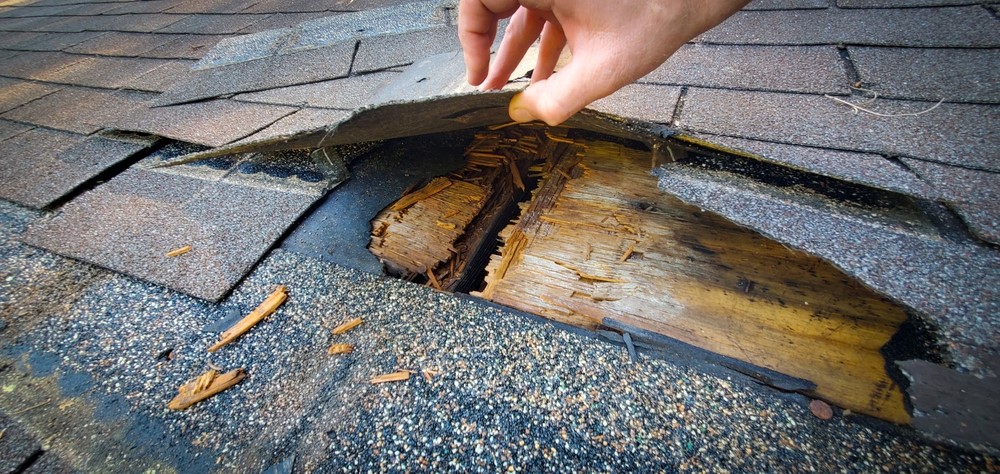
- Replacing missing or damaged shingles
- Sealing or replacing flashing
- Repairing or replacing underlayment
- Reinforcing roof decking
- Sealing roof vents or replacing chimney boots
In some cases, especially with older roofs, a leak may be a symptom of broader wear. If that’s the case, we’ll let you know if roof replacement might be a more cost-effective solution than patchwork repairs.
The Risks of DIY Roof Repairs
We get it—roof repairs can be expensive, and it’s tempting to try a quick fix with sealant, a tarp, or a hammer and nails. But we strongly advise against DIY repairs, and for good reason.
1. Safety Hazards
Roof work is dangerous. Slippery surfaces, uneven footing, and steep pitches can lead to serious falls. Professional roofers have the safety equipment and training needed to work on roofs without risking injury.
2. Incomplete or Incorrect Repairs
You might patch what looks like the source of the leak, only to find the problem persists. Without proper inspection tools or training, it’s easy to miss deeper damage or misdiagnose the cause entirely. Similarly, using the wrong materials can further compromise your roof’s integrity.
3. Warranty Issues
Many roofing materials come with warranties that are voided if non-certified individuals make repairs. DIY fixes can cost you down the line if your roof is still under the manufacturer's or contractor's warranty. Similarly, delaying or failing to report roof damage can lead to a denied or reduced insurance claim.
For all these reasons, it’s better to let the pros handle your roof leak repair safely and correctly the first time.
When Are Roof Repairs Necessary?
Not every issue requires a full roof replacement. Some signs you may just need targeted roofing repairs include:
- One or two damaged shingles
- Small areas of flashing failure
- Localized leaks after a heavy storm
- Minor damage from fallen debris
At State Roofing & Exteriors, we believe in honest assessments. If your roof still has years of life left, we’ll recommend repairs and work to extend the life of your existing roof.

Why Choose State Roofing & Exteriors?
With more than 50 years of experience in Washington’s unique climate, State Roofing & Exteriors is proud to be a trusted name in professional roof repair. Our team is licensed, insured, and committed to providing top-quality workmanship with durable materials and environmentally responsible practices.
Whether you’re dealing with a minor roof leak or extensive storm damage, we’ll help you determine the best course of action—without pressure, and with your home’s long-term health in mind.
Don’t Wait—Schedule Your Roof Leak Repair Today
If you’ve noticed signs of a leak—stains, drips, musty smells, or increased energy bills—it’s time to take action. The longer you wait, the more damage can occur.
Contact State Roofing & Exteriors today to schedule a professional inspection and get your roof back in shape. From a simple repair or a longer-term solution, we’re here to protect your home and your peace of mind.
Subscribe to State Roofing & Exteriors's Blog



Comments