When homeowners think about upgrading their roof, sustainability often comes into the conversation. With growing awareness of environmental impact and long-term cost savings, more people are looking for roofing options that balance durability, energy efficiency, and eco-friendliness. Among the available choices, metal roofing stands out as one of the most sustainable residential roofing options today. From its longevity to recyclability, metal provides multiple benefits that go beyond traditional roofing materials like asphalt shingles or wood.
1. Exceptional Longevity and Durability
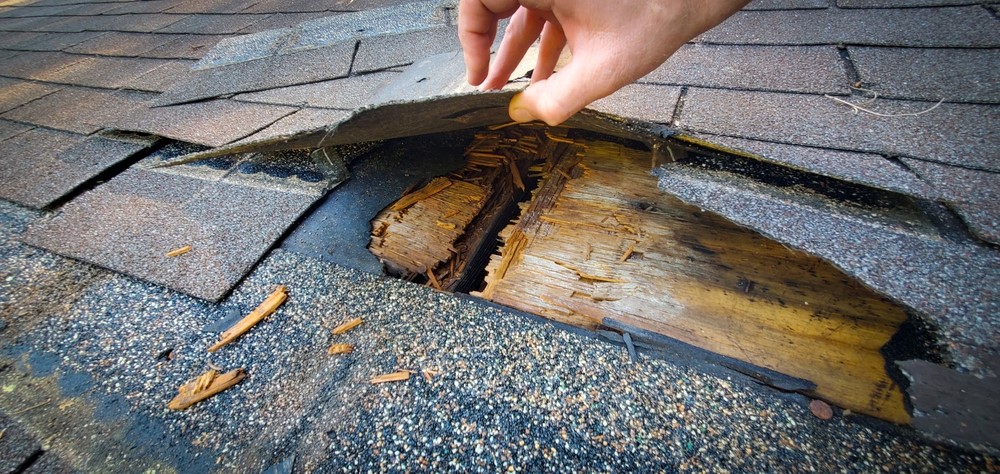
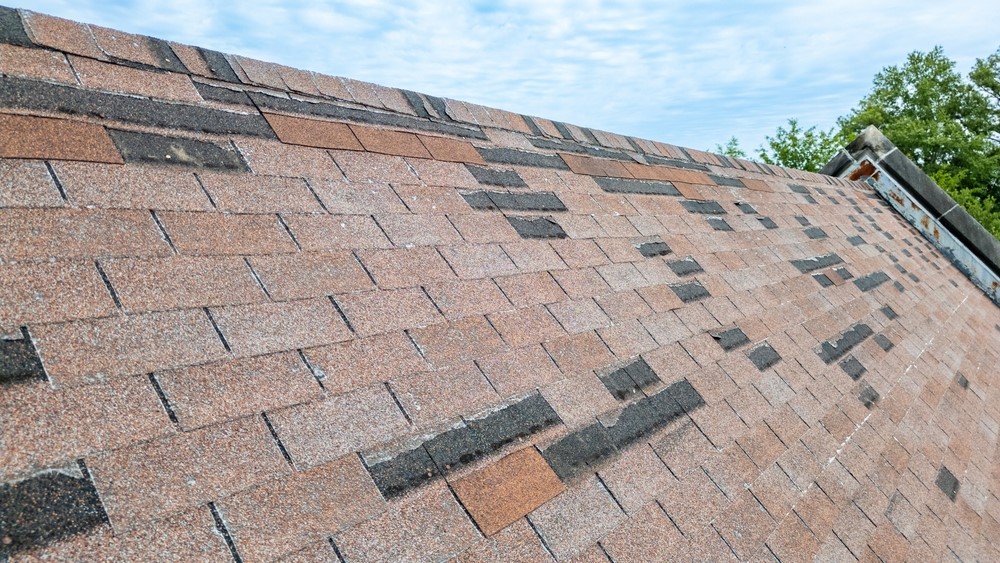
One of the most significant factors that make metal roofing sustainable is its long lifespan. While asphalt shingles typically last 15–20 years, a properly installed metal roof can last 40 to 70 years or more. This extended durability reduces the frequency of roof replacements, which in turn lowers the amount of waste that ends up in landfills. Fewer replacements also mean fewer resources are consumed in manufacturing, transporting, and installing new materials.
In addition, metal roofs are highly resistant to harsh weather conditions such as heavy rain, snow, strong winds, and even hail. Many metal roofing systems are rated for wind speeds up to 140 miles per hour and are non-combustible, providing added protection against fire hazards. This resilience makes metal not only a safer choice but also a more sustainable one, as it avoids premature deterioration and replacement.
2. Energy Efficiency and Reflectivity
A major sustainability advantage of metal roofing lies in its energy-saving properties. Unlike dark asphalt shingles that absorb heat, metal roofing reflects solar radiant heat. This quality, often enhanced with reflective coatings, can reduce cooling costs by 10–25% in warm climates.
By keeping homes cooler in the summer, metal roofs help lower energy consumption, which in turn reduces greenhouse gas emissions from power plants. In colder climates, metal roofing can also be installed with proper insulation to maintain warmth, making it a versatile energy-efficient option across different regions.
This energy efficiency not only contributes to sustainability but also results in lower utility bills, which is a major benefit for homeowners.
3. High Recyclability and Low Waste
Sustainability is not only about performance during use but also about what happens at the end of a product’s life cycle. Unlike asphalt shingles, which typically end up in landfills, metal roofing is 100% recyclable. Many metal roofing materials already contain 25–95% recycled content, and when the roof eventually reaches the end of its life, it can be fully recycled again without losing quality.
This closed-loop recycling process significantly reduces waste and conserves natural resources. It also makes metal a greener option compared to traditional roofing, where millions of tons of asphalt shingles are discarded every year in the U.S. alone.
4. Lightweight and Suitable for Solar Integration
Metal is also one of the lighter roofing materials available. Its lightweight nature means it puts less structural stress on the home, which reduces the need for additional reinforcement during installation. This makes the installation process quicker and more resource-efficient.
Furthermore, metal roofs are an ideal surface for solar panel installation. Their durability and structure allow solar systems to be securely mounted, which enhances the overall sustainability of the home. Combining metal roofing with solar power can drastically reduce a household’s carbon footprint and reliance on non-renewable energy sources.
5. Reduced Environmental Impact Over Time
When you consider the bigger picture, metal roofing has a significantly lower environmental impact than many alternatives. Its combination of long life, recyclability, and energy efficiency reduces demand for raw materials, cuts down on waste, and minimizes overall carbon emissions. While the initial investment may be higher compared to asphalt shingles, the long-term sustainability benefits and savings often outweigh the upfront cost.
Final Thoughts
Sustainability in roofing goes beyond just choosing a product that looks good or lasts a few years. It involves selecting materials that contribute to long-term environmental responsibility while providing lasting value to homeowners.
Metal roofing checks all these boxes. Its durability, energy efficiency, recyclability, and compatibility with renewable energy systems make it one of the most sustainable residential roofing choices available today. For homeowners who want to make an eco-friendly investment that also delivers practical benefits like lower maintenance and reduced energy bills, metal roofing is a smart and future-ready solution.
For your roof repair and replacement needs, turn to State Roofing & Exteriors. Call us or fill out our contact form to get a free estimate. We serve communities around Seattle, WA.
Subscribe to State Roofing & Exteriors's Blog

Comments