Winter is definitely not a time to neglect your commercial roofing. Although it can stand up against harsh weather, remember that it can only take so much, and it can only last a long time with proper care and maintenance. That said, you and your building managers should observe the following roof maintenance tips during winter.
Inspect the Commercial Roofing
While a complete roof inspection is best done before the cold season sets in, winter itself still demands regular attention. Snow, ice, and freezing rain can create new problems or worsen small ones, so it’s wise to schedule quick visual checks whenever the weather is clear and conditions are safe.
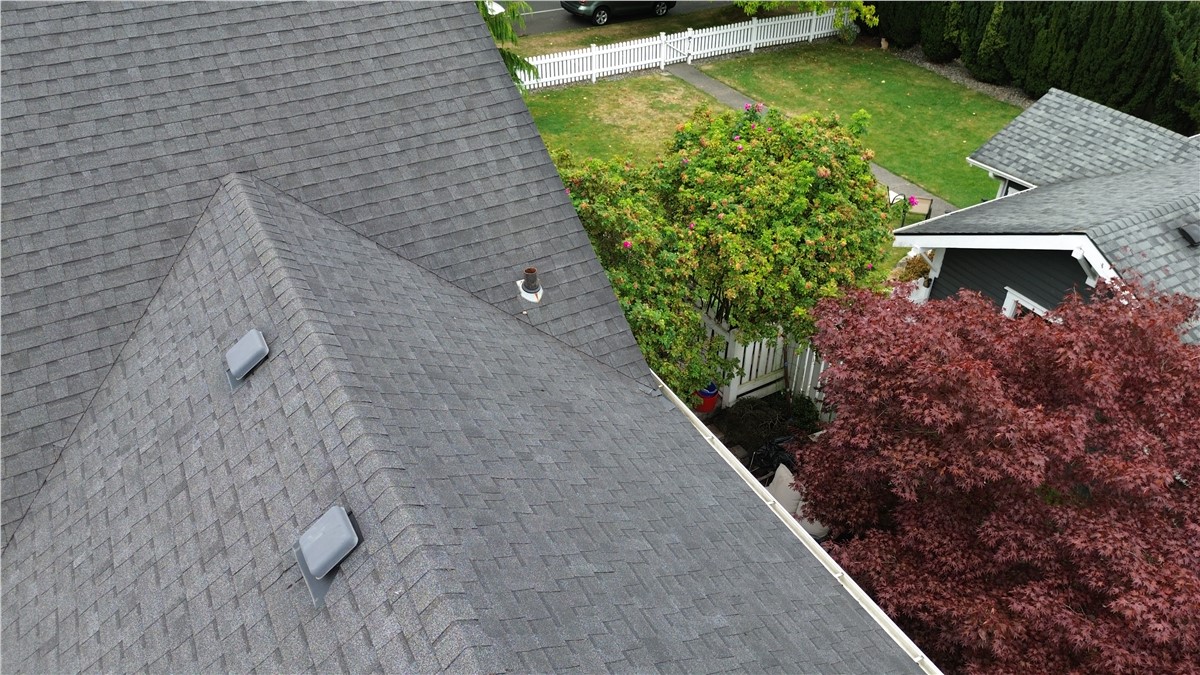
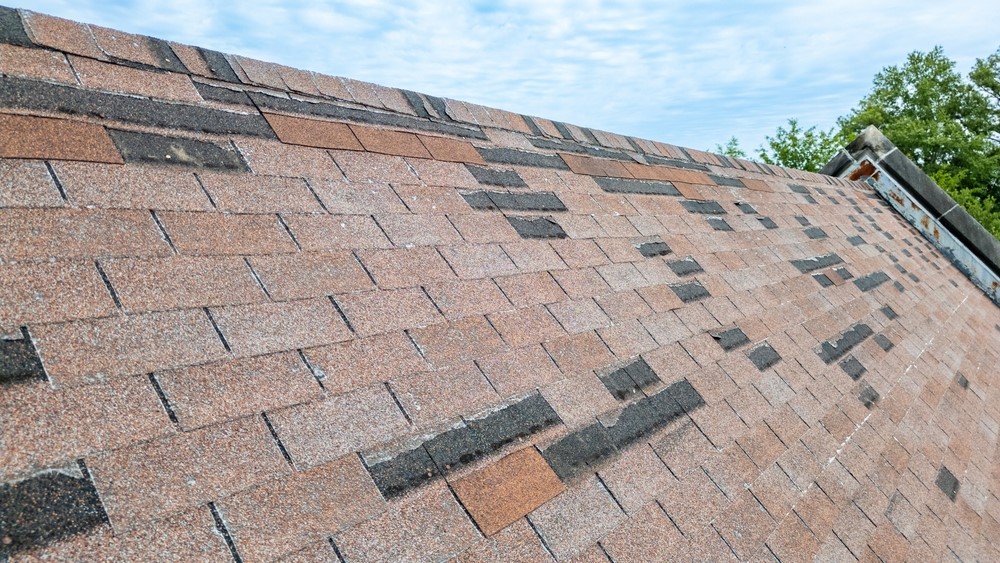
During winter walk-arounds—either from the ground with binoculars or from a secure ladder—look for fresh damage after storms, such as missing shingles, sagging gutters, or ice dams along the eaves. Check the seals around chimneys, vents, and skylights, where expanding and contracting materials may crack in low temperatures. Even slight openings can let meltwater seep in and refreeze, widening gaps over time.
Inside the home, keep an eye on attic ceilings and interior walls for new stains or damp spots. These can signal hidden leaks that need immediate attention, even if outside repairs must wait for safer conditions.
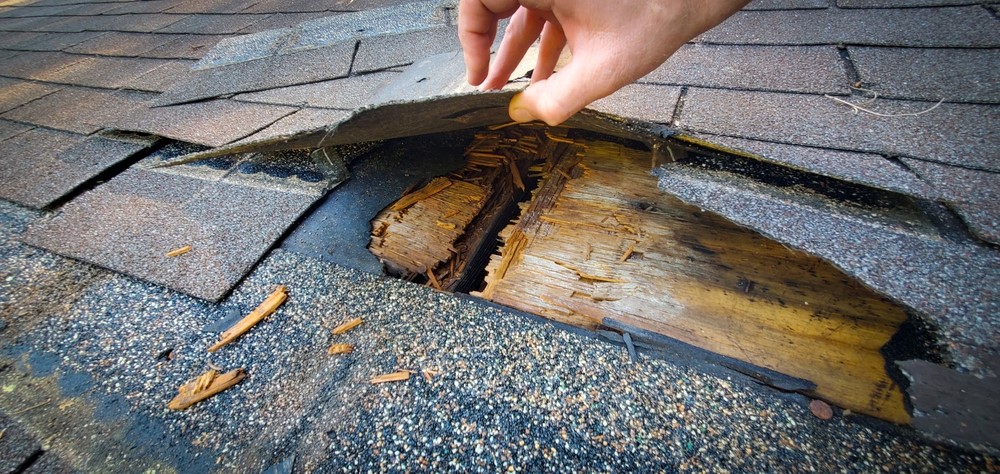
If you discover loose materials, bent flashing, or other issues, arrange for repairs as soon as a mild weather window appears. Acting promptly helps prevent water intrusion, mold growth, and structural weakening that can result from freeze-thaw cycles. Consistent winter vigilance not only protects your roof during the harshest months but also reduces the workload and cost of spring repairs.
Keep the Drainage Well-Maintained
One key task is to clear all roof drains and scuppers. If water can’t move freely, meltwater will pool and refreeze, adding weight and increasing the risk of leaks or structural strain. Before the first hard freeze, remove any leaves, twigs, and other debris from drains, gutters, and downspouts so melting snow has a clear path away from the roof.
During each winter check—whether from the ground with binoculars or from a secure ladder—look for fresh storm damage, such as missing shingles, sagging gutters, or ice dams forming along the eaves. Pay close attention to seals around chimneys, vents, and skylights, where expanding and contracting materials may crack in low temperatures.
Inside, watch for water stains or damp spots on ceilings and attic rafters, which can signal hidden leaks. If you discover loose materials, bent flashing, or clogged drainage, arrange for repairs or clearing as soon as a mild weather window appears.
By keeping drains open and addressing issues promptly, you’ll reduce the chance of water intrusion, mold growth, and freeze-thaw damage, ensuring your roof stays strong throughout the harshest months.
Prevent Ice Dams
Every roofing contractor can tell you that ice dams do not only pose risk of serious roof damage; they can cause safety hazards, too. Preventing them is critical to the overall safety of your home.
Remove Snow
Too much snow on your roof can damage and increase its risk of collapsing. That said, you should have a professional remove excessive amounts of snow as soon as it’s safe to do so. As much as possible, don’t let snow build up and potentially cause harm to your roof.
State Roofing & Exteriors is a family-owned roofing company that will carry out your project to a high standard. We also offer other services, including window installation, siding replacement, painting and decking. Call us, or fill out our contact form to request a free estimate. We serve customers in Kirkland and Tacoma, WA.
Subscribe to State Roofing & Exteriors's Blog




Comments