The Keys to Roof Safety
Your roof is one of the most critical parts of your home, protecting you and your family from harsh weather, heat, and external elements. Yet, despite its importance, roof safety is often overlooked until a problem arises. Whether you are a homeowner checking for maintenance issues or a contractor working at heights, understanding the principles of roof safety is vital. Neglecting it can lead to accidents, injuries, or costly damage.
To ensure both personal safety and roof integrity, here are the keys to roof safety every homeowner and worker should keep in mind.
1. Prioritize Personal Safety First
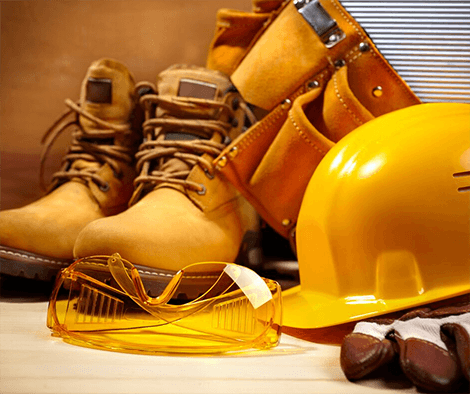
The number one rule of roof safety is to protect yourself before tackling any task. Roofs are dangerous surfaces—slippery when wet, steeply sloped, and often high above the ground. Before climbing, wear non-slip shoes with good traction, and never attempt work during rain, snow, or high winds.
If the job requires extended time on the roof, use a safety harness system connected to a secure anchor point. Even if the roof appears stable, one misstep can lead to a serious fall. Safety gear is an investment in preventing life-threatening accidents.
2. Use Proper Ladders and Equipment
Accessing your roof safely begins with the right ladder. Choose a ladder that extends at least three feet beyond the roof edge, and always place it on a stable, level surface. For added stability, secure the ladder at both the top and bottom.
Additionally, use tools designed for roof work. A sturdy tool belt allows hands-free climbing, while roof brackets and scaffolding provide extra support when working on steep or elevated areas. The right equipment reduces risks and makes the job more efficient.
3. Regular Roof Inspections Matter
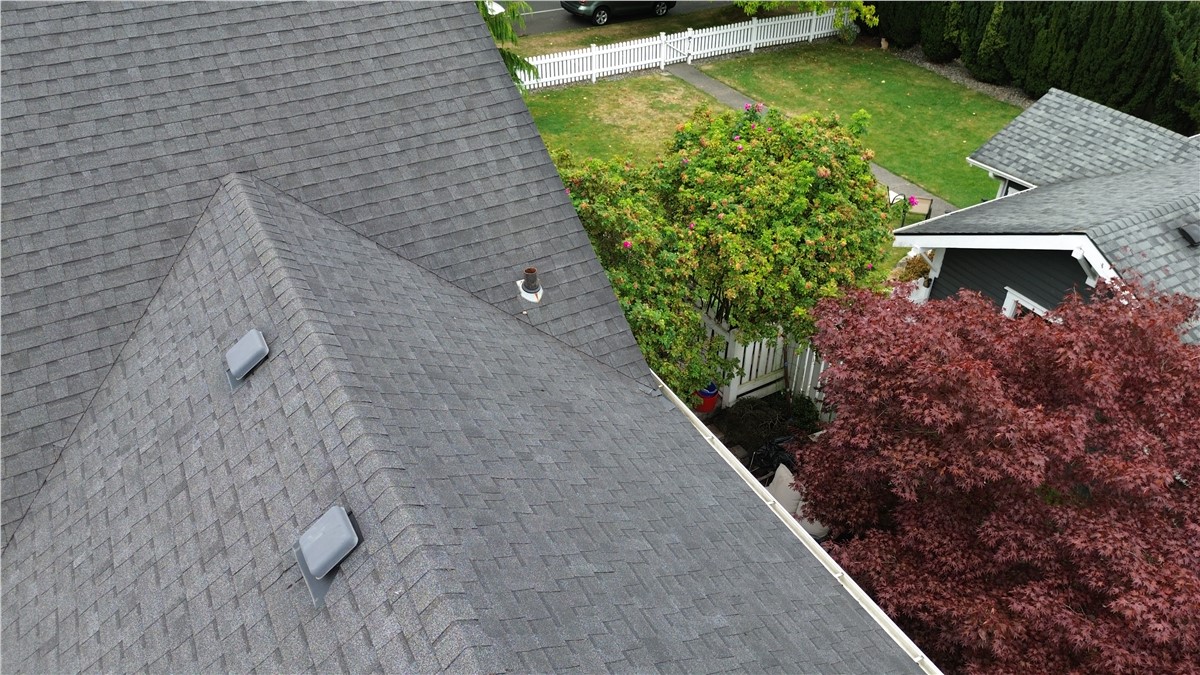
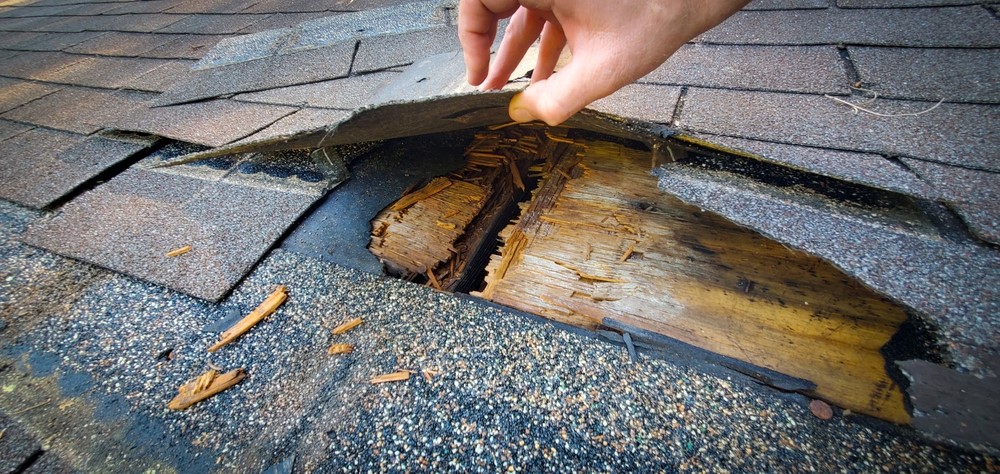
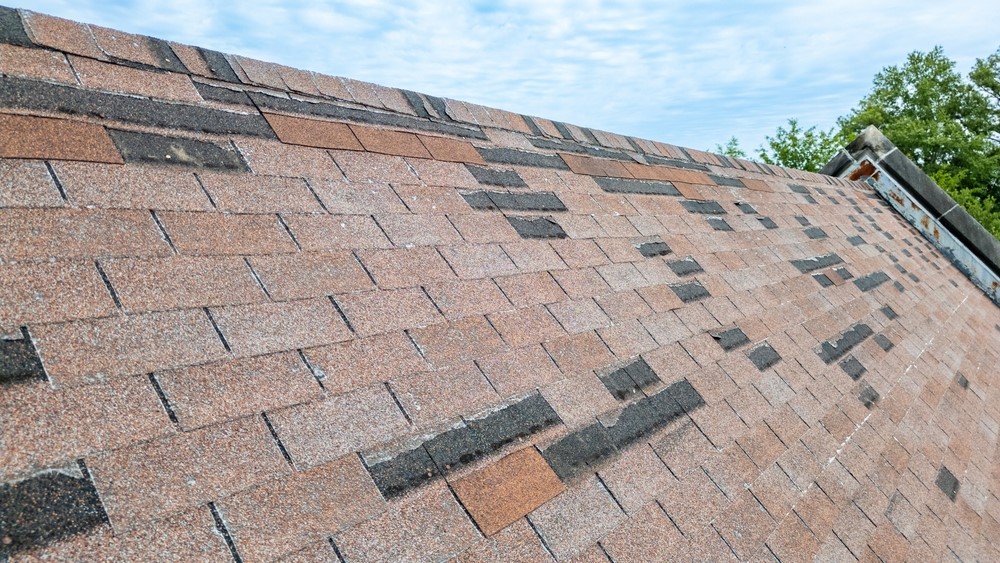
A big part of roof safety lies in prevention. Regular inspections help identify hazards like loose shingles, cracked flashing, or weak spots that could cause slips or collapses. As a rule of thumb, inspect your roof twice a year—once in spring and again in fall. Also, check after major storms to spot damage early.
Homeowners who are not comfortable performing inspections themselves should hire professionals. Roofers are trained to detect hidden risks and have the equipment to move safely across the surface.
4. Keep the Roof Clean and Clear
Debris such as leaves, branches, or moss can make your roof slippery and accelerate damage. Regular cleaning not only preserves your roof’s life but also ensures safer footing during maintenance.
For added safety, use a long-handled broom or blower from the ground rather than climbing onto the roof. If accessing the roof is necessary, proceed with extreme caution and avoid leaning too close to the edge.
5. Watch Electrical Hazards
Roofs often have nearby power lines, antennas, or other electrical installations. When working on the roof, maintain a safe distance from these hazards. Touching or even getting too close to live wires can cause electrocution. If electrical work needs to be done, it’s best to call a licensed professional rather than risk handling it yourself.
6. Never Work Alone
Another key to roof safety is having someone nearby. Whether it’s a family member or coworker, a second person can hold the ladder, pass tools, or call for help in case of an emergency. Working alone increases the risk of serious consequences if an accident occurs.
7. Know When to Call Professionals
While DIY maintenance is tempting, certain roofing tasks—such as structural repairs, major replacements, or steep roof work—are best left to professionals. Roofing contractors have the skills, equipment, and training to perform the job safely. Hiring experts reduces the risk of accidents while ensuring high-quality results.
Final Thoughts
Roof safety is not just about protecting your home; it’s about protecting lives. By following key principles—using proper equipment, inspecting regularly, staying aware of hazards, and knowing your limits—you can maintain your roof without putting yourself at unnecessary risk.
For homeowners, the safest approach is often preventive care and professional assistance. For workers, strict adherence to safety standards ensures a secure and productive job site.
When it comes to roofs, safety should never be an afterthought—it is the foundation for every successful project.
A roof inspection should be undertaken on a regular basis to catch problems before they get bigger. It is also a good way to find evidence of animals getting on the roof or even living in chimneys. In the case of vegetation wearing away shingles, an inspection can alert the homeowner to the need to prune trees. Scheduling annual roof inspections with a roofing company is a great way to keep informed of a roof's condition. Contact State Roofing & Exteriors for residential and commercial roofing work by calling or emailing us today!
Subscribe to State Roofing & Exteriors's Blog


Comments