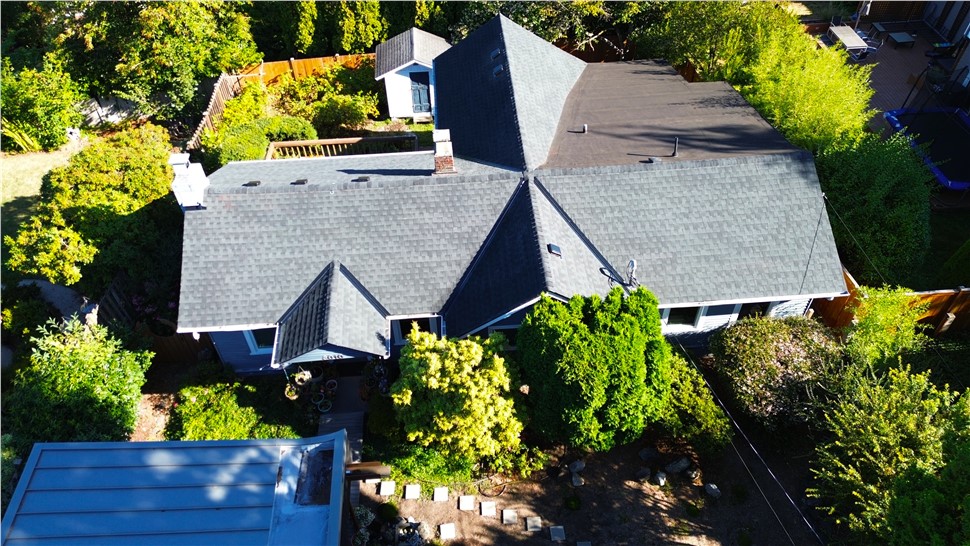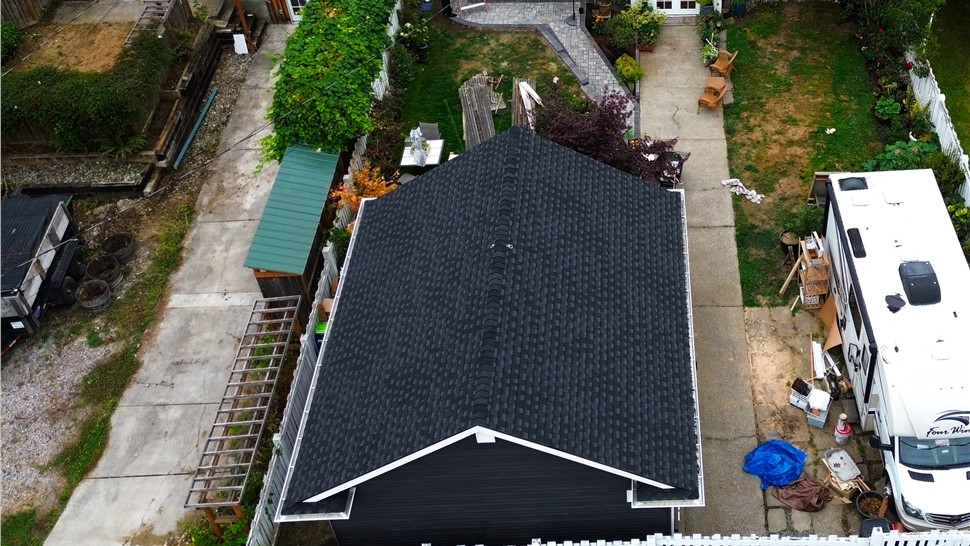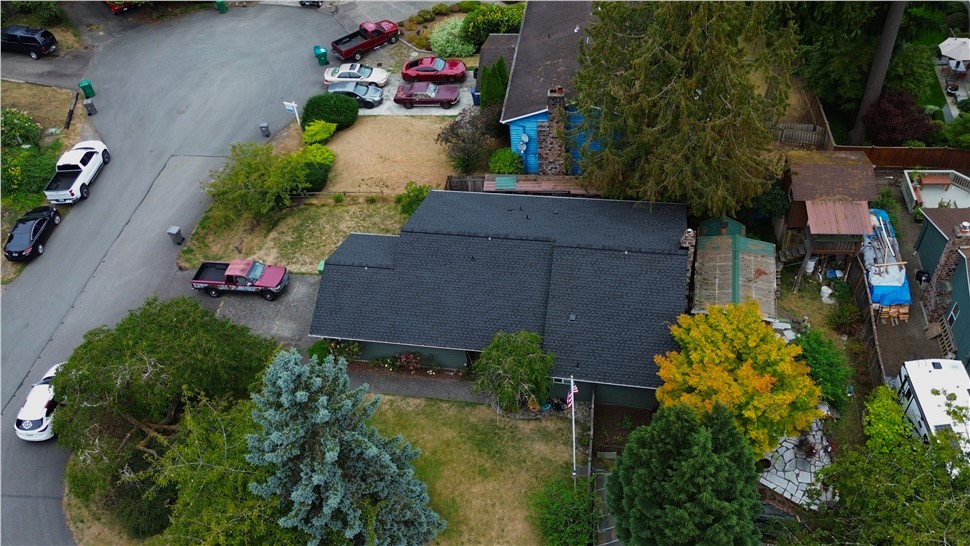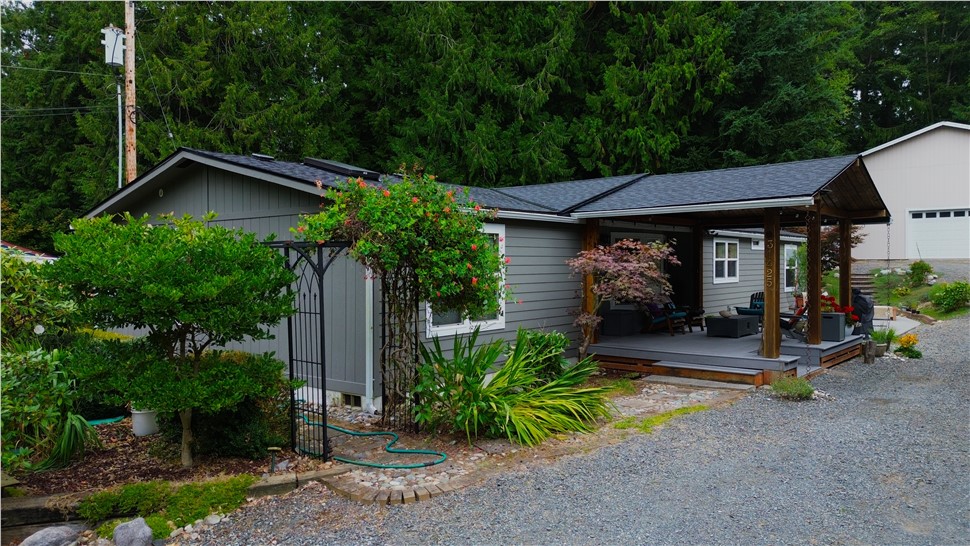
A Tacoma roof replacement needs to account for the persistent moisture, seasonal rain, wind, tree coverage, and changing weather conditions that affect homes throughout the Puget Sound region. Just as important, the age, architecture, and location of the home can significantly influence the scope of the project. North End and Proctor-area homes may include older roof framing, dormers, chimneys, multiple rooflines, and mature trees. Stadium District and hillside properties can create slope and access challenges, while West End homes and properties closer to the Tacoma Narrows may experience greater exposure to wind-driven weather.
South Tacoma, Eastside, Northeast Tacoma, and other parts of the city include everything from older homes that have been reroofed several times to newer properties approaching their first major roof replacement. State Roofing & Exteriors has served Western Washington since 1968 and maintains a Tacoma office, giving homeowners access to an experienced local team for complete roof replacement.
This page focuses specifically on full roof replacement. If your roof may still be repairable, visit our Tacoma roofing services page to explore additional roofing options. You can also visit our Tacoma service area page to learn more about the exterior remodeling services available to Tacoma homeowners.
How Do I Know Whether My Tacoma Roof Needs Replacement?
The decision to repair or replace a roof should be based on the overall condition of the roofing system, its remaining service life, and the pattern of problems affecting the home. A localized flashing issue, isolated leak, or limited area of damage may be appropriate for a roof repair. Widespread deterioration, recurring leaks, multiple failing roof sections, deteriorated decking, or repeated repair needs may indicate that replacement is the more practical long-term solution.
Tacoma's wet climate can make some roofing problems less obvious from the ground. Moss, needles, leaves, and other organic debris can collect in valleys, gutters, and shaded roof sections. These conditions do not automatically mean a roof needs replacement, but they can cause roofing materials to remain damp for longer periods and may make existing deterioration more difficult to identify.
Homeowners should also pay attention to conditions inside the home. Ceiling stains, signs of moisture in the attic, damp or discolored roof decking, musty odors, damaged insulation, and evidence of previous leakage can all justify a closer roof evaluation. Problems that repeatedly return after repairs may be a sign that individual fixes are no longer addressing the condition of the complete roofing system.
What Affects the Cost of Roof Replacement in Tacoma?
The cost of replacing a roof in Tacoma can vary substantially from one property to another. Roof size matters, but square footage alone does not determine the final investment. Roof pitch, architectural complexity, material selection, the number of existing roofing layers, site accessibility, ventilation requirements, flashing details, tear-off needs, and the condition of the underlying roof deck can all affect the final scope.
Older homes in areas such as North Tacoma, Proctor, Stadium District, and other established neighborhoods can present additional considerations. Dormers, chimneys, additions, intersecting roof sections, skylights, older decking, or previous remodeling work may require additional planning during replacement. Homes on sloped lots or properties with narrow access can also affect how materials are delivered, where debris is collected, and how the surrounding property is protected during construction.
The roofing material selected will also influence the overall investment. Composition shingles can provide a different combination of cost, appearance, and expected performance than metal or standing seam roofing. Low-slope roof sections may require a different roofing system altogether.
Our roof replacement cost guide explains the major factors that influence roofing costs throughout the Puget Sound region and can help homeowners understand what should be included when comparing proposals. The most accurate way to determine the cost of replacing your Tacoma roof is to have the property evaluated and receive a detailed estimate based on the actual roof and project conditions.
Tacoma Roofs Need Strong Water Management
In the Puget Sound climate, a roof has to do more than cover the home. It needs to manage water effectively across every transition, penetration, valley, edge, and connection point. Small installation details can become significant problems when they are repeatedly exposed to rain and moisture.
Valleys, chimneys, skylights, plumbing vents, sidewalls, roof-to-wall transitions, eaves, and other vulnerable areas deserve careful attention during replacement. Underlayment, flashing, starter materials, edge details, ventilation components, and the finished roofing material should function as an integrated system rather than a collection of separate products.
Mature trees are another important consideration in many Tacoma neighborhoods. Fir needles, leaves, branches, and other debris can collect on the roof and in the drainage system. Shaded roof sections may remain damp longer than areas receiving more sunlight, while clogged gutters can interfere with proper drainage at the roof edge.
If the existing gutter system is damaged, pulling away from the home, overflowing, or no longer moving water effectively, a roof replacement may be a good time to evaluate gutter replacement. Coordinating the roof and drainage system can help ensure water moves from the roofing surface into the gutters and away from the home as intended.
Roofing Materials for Tacoma Homes
Tacoma includes a wide variety of architectural styles, roof pitches, home ages, and neighborhood conditions. There is no single roofing material that is automatically the right choice for every property. The best system depends on the design of the roof, homeowner priorities, budget, maintenance preferences, desired appearance, and long-term plans for the home.
Composition Shingles
Composition shingles remain a versatile roofing option for Craftsman homes, ramblers, split-level houses, contemporary properties, and many other Tacoma home styles. Homeowners can choose among different product tiers, colors, profiles, and performance features depending on the desired appearance and roofing system.
Explore our composition roofing, GAF roofing, and Malarkey roofing options to compare available systems and determine which may be appropriate for your Tacoma home.
Metal and Standing Seam Roofing
Metal roofing can be an appealing choice for homeowners who prioritize durability, longevity, lower maintenance requirements, and a distinctive architectural appearance. Metal systems can work particularly well when homeowners want a roofing material that provides a noticeably different look from traditional shingles.
Standing seam roofing uses raised seams and concealed fasteners to create a clean, architectural appearance. Because metal roofing requires specialized installation techniques and careful detailing around roof transitions and penetrations, the design of the home should be evaluated before choosing a specific system.
Low-Slope Roofing Areas
Some Tacoma homes include porches, additions, attached structures, or modern architectural sections with lower roof slopes. These areas may require roofing materials specifically designed for limited pitch. When a roof includes both steep-slope and low-slope sections, different roofing systems may sometimes be used together to provide appropriate protection across the entire structure.
Homeowners with these roof configurations can review our flat and low-slope roofing options to learn more.
Decking and Sheathing Repairs Can Change the Final Scope
The condition of the roof deck is one of the most important variables in a replacement project because much of the decking cannot be fully evaluated until the existing roofing materials are removed. If the sheathing underneath is soft, rotted, delaminated, water-damaged, or otherwise unable to provide a secure installation surface, repairs may be necessary before the new roofing system can be installed.
This is particularly important in a wet climate. Long-term roof leaks, failed flashing, condensation, inadequate ventilation, and moisture trapped within the roof assembly can sometimes affect wood components without creating obvious exterior warning signs.
Before the project starts, homeowners should understand how unexpected decking repairs will be handled. Ask how damaged areas will be identified, documented, priced, and authorized. A detailed roofing proposal should make it clear how conditions discovered after tear-off will be addressed so homeowners understand the process before demolition begins.
Tacoma Roof Replacement Permits and Project Requirements
Project requirements can vary depending on the type and extent of roofing work being completed. A straightforward replacement of existing roofing may involve different requirements than a project that changes the structure, alters the roofline, adds roofing layers, modifies framing, or includes other substantial improvements.
State Roofing & Exteriors can help homeowners understand the requirements associated with the planned roofing scope before work begins. This is another reason it is important to compare the actual scope of competing proposals rather than looking only at the final price.
For example, one roofing proposal may include complete removal of existing materials and inspection of the exposed roof deck, while another may be based on a different approach. Homeowners should understand what is being removed, what is being installed, which components are included, and how unexpected conditions will be handled before selecting a roofing contractor.
What Happens During a Tacoma Roof Replacement?
- Roof inspection and measurement: The existing roof is evaluated for size, slope, roofing layers, drainage, penetrations, visible damage, roof transitions, attic clues, and site access.
- Scope and material selection: Homeowners select the roofing system and review the planned tear-off, flashing, ventilation, underlayment, accessories, deck-repair process, and cleanup expectations.
- Property and site protection: Landscaping, siding, windows, decks, walkways, driveways, and other areas around the home are considered before removal begins.
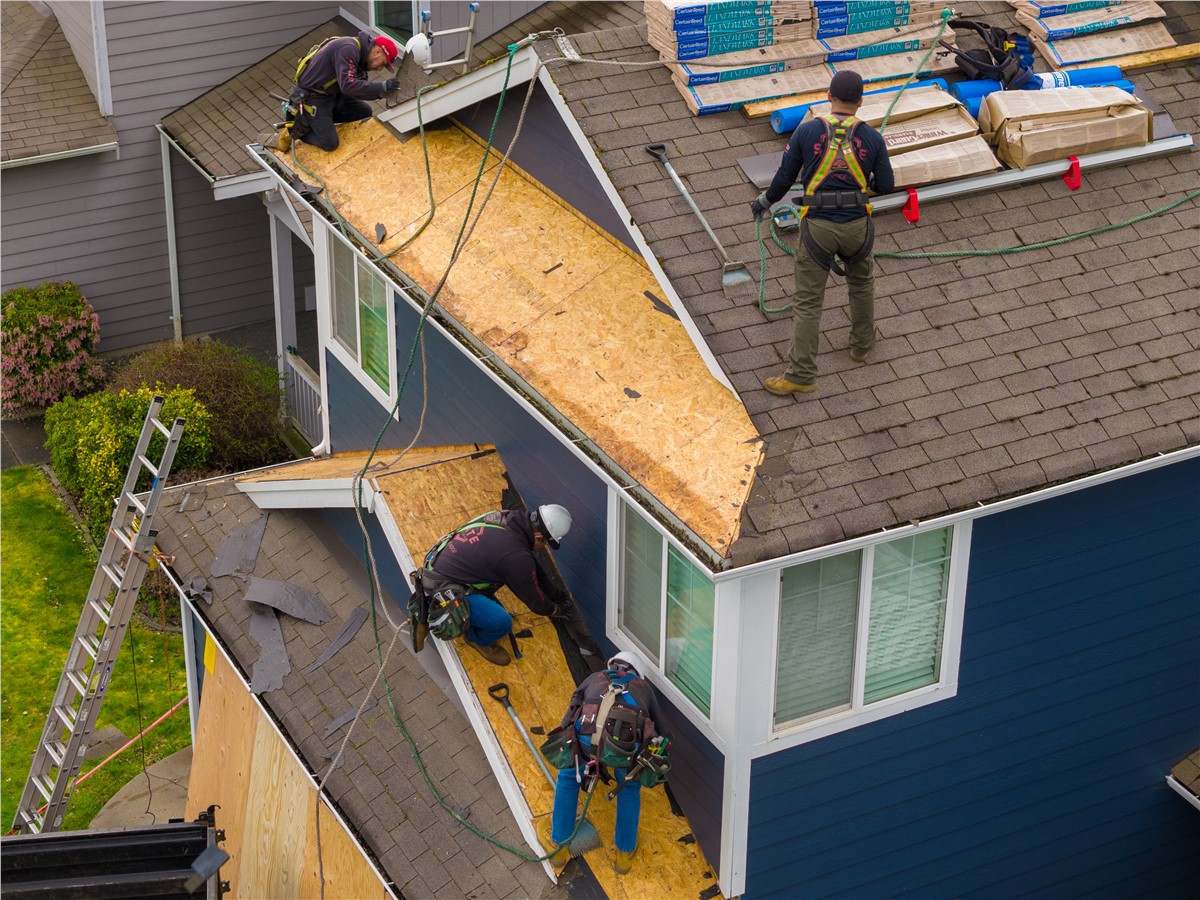
- Roof tear-off: Existing materials are removed according to the project scope so the underlying roof deck can be evaluated.
- Roof deck evaluation: Exposed decking is reviewed for damage or deterioration that could affect the installation of the new roofing system.
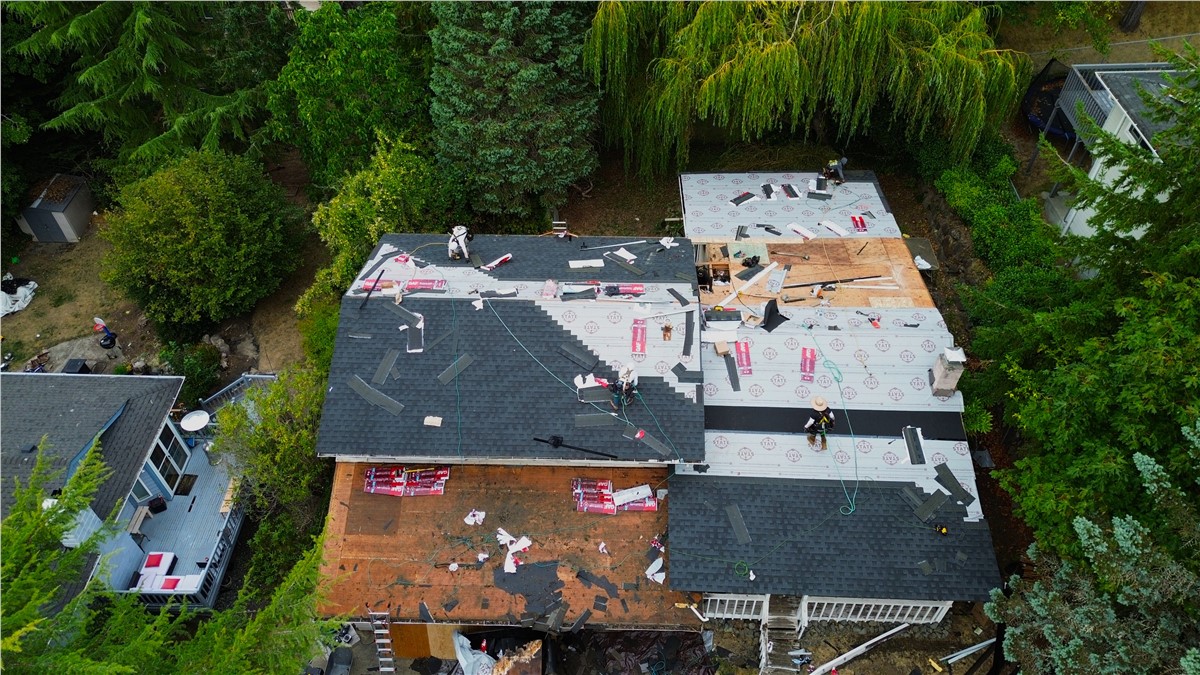
- Roofing system installation: Underlayment, flashing, ventilation components, roofing materials, ridges, edges, and penetrations are installed as part of the selected system.
- Cleanup and final review: Roofing debris is removed, the completed work is reviewed, and homeowners receive applicable warranty and maintenance information.
Tacoma Neighborhood Conditions Can Change a Roofing Project
A home in North Tacoma can present very different roofing conditions from a property in South Tacoma, Northeast Tacoma, or the West End. The city's mix of older neighborhoods, newer development, hillside properties, mature landscaping, and varied architectural styles makes site-specific planning especially important.
North End and Proctor homes may feature older roof structures, Craftsman architecture, chimneys, dormers, porch roofs, additions, and mature trees. These details can create more roof transitions and may require additional attention during tear-off and installation.
Stadium District and hillside properties can present access considerations because of steep lots, limited staging areas, retaining walls, established landscaping, or narrow spaces between neighboring homes. The contractor should determine where materials can be delivered and how tear-off debris will be managed before work starts.
West End homes and properties closer to the Narrows may experience greater exposure to wind and weather. South Tacoma, Eastside, and Northeast Tacoma include a broad mix of housing ages and roof types, making inspection of the actual home more important than assumptions based on ZIP code or neighborhood alone.
A strong Tacoma roof replacement proposal should reflect the specific conditions of the property. Roof measurements, slope, penetrations, drainage, landscaping, access, existing materials, and roof complexity should all be evaluated before the final scope is established.
Common Tacoma Roof Details That Deserve Extra Attention
Roof replacement involves more than installing new shingles or panels across the field of the roof. Many of the most important waterproofing details occur where roof surfaces meet another component of the home.
Chimneys require carefully integrated flashing. Dormers and sidewalls create vertical transitions where water needs to be directed away from the structure. Skylights require proper flashing and may need to be evaluated for age and condition during replacement. Plumbing vents, exhaust penetrations, roof valleys, and roof-to-wall intersections all need to be properly incorporated into the new roofing system.
Porches and later additions may also have different slopes from the original structure. If a section does not have sufficient pitch for the roofing material used elsewhere on the home, a different roofing system may be appropriate for that area.
These details are one reason an estimate based exclusively on basic roof square footage may not tell the whole story. Two Tacoma homes with similar roof areas can have very different project scopes when one includes multiple dormers, chimneys, valleys, low-slope additions, skylights, and difficult site access.
Site Access and Property Protection Matter During Roof Replacement
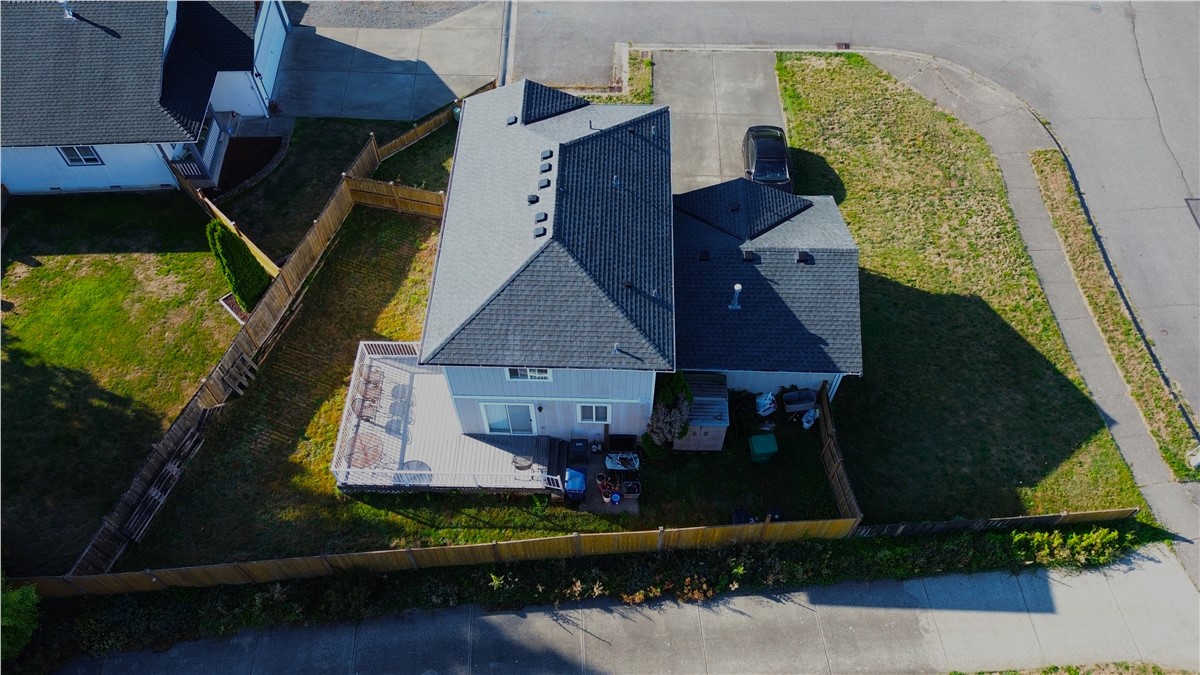
Roof replacement requires planning below the roofline as well. Tacoma properties can include narrow side yards, detached garages, mature landscaping, fencing, sloped driveways, limited street access, decks, patios, and neighboring homes positioned relatively close together.
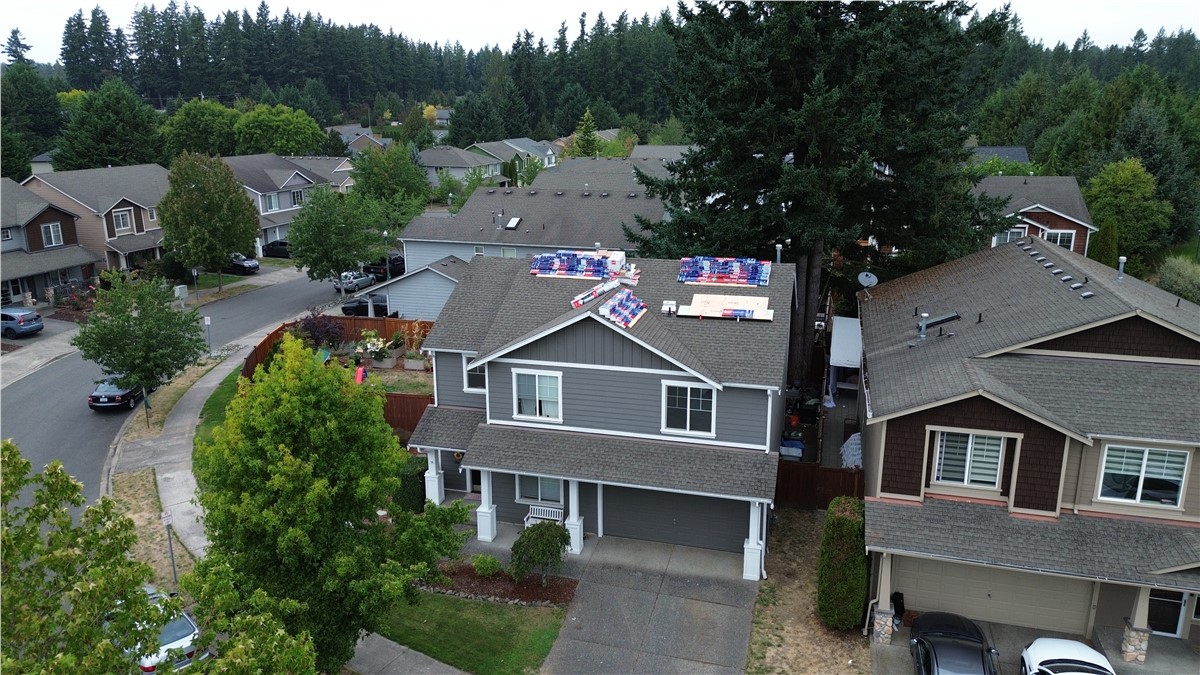
Before installation begins, homeowners should understand how materials will be delivered, where they will be staged, how old roofing will be removed, and what steps will be taken to protect the property. Established landscaping, siding, windows, decks, driveways, walkways, and outdoor living areas all deserve consideration during project planning.
Ask how the crew will manage debris throughout the project and how the property will be cleaned when work is complete. Good project planning should account for both the finished roof and the homeowner's experience while the work is underway.
Roof Replacement Is a Good Time to Evaluate Drainage
Water management does not end at the roof edge. Once rain reaches the eaves, it needs to move efficiently into the gutter system and away from the home. Damaged fascia, poorly aligned gutters, overflowing sections, clogged downspouts, or drainage problems can contribute to moisture around exterior walls and foundations.
Because the roof edge is already being worked on during replacement, this can be an appropriate time to identify gutter or fascia concerns and determine whether additional exterior improvements should be coordinated with the roofing project.
Learn more about our gutter services if your existing drainage system needs attention.
Coordinate Roofing With Attic Ventilation and Insulation
The roof and attic should be considered parts of the same building system. Moisture or temperature problems inside the attic can sometimes contribute to condensation, uneven temperatures, deteriorated sheathing, or other issues that affect roof performance.
If an inspection reveals moisture in the attic, inadequate insulation, uneven insulation coverage, or ventilation concerns, roof replacement can provide an opportunity to evaluate those conditions before the new roofing system is completed.
Homeowners can learn more about related improvements through our attic insulation services.
Repair Versus Replacement: When Does Repair Stop Making Financial Sense?
A roof repair can be the right financial decision when the damage is isolated and the rest of the roofing system still has meaningful service life remaining. A missing shingle, localized flashing problem, or small leak does not automatically mean the entire roof needs to be replaced.
The calculation changes when repairs become frequent, leakage develops in multiple locations, roofing materials are deteriorating across large sections, or the roof is approaching the end of its useful service life. Homeowners should consider how much additional life a repair is expected to provide, whether other areas of the roof are showing similar symptoms, and how much has already been invested in recurring repairs.
In Tacoma and throughout the Puget Sound region, prolonged moisture exposure, moss growth, wind-driven rain, aging flashing, and ventilation issues can sometimes contribute to problems in multiple areas of an older roofing system. At a certain point, continuing to address individual failures may no longer provide the predictability homeowners want from their roof.
Storm Damage and Tacoma Roof Replacement
Wind and severe weather can create roofing problems that are different from normal age-related deterioration. Missing materials, lifted shingles, damaged flashing, fallen branches, and impact damage can expose areas of the roof to moisture or accelerate existing problems.
If a weather event caused the damage, document visible conditions when it is safe to do so and avoid making unnecessary permanent changes before the roof can be properly evaluated.
Our storm damage team can help evaluate roofing concerns following severe weather. Homeowners can also review our wind damage services and insurance claim process for additional information about how State Roofing & Exteriors can assist with the documentation process. Insurance coverage and claim decisions are determined by the homeowner's policy and insurance carrier.
Tacoma Roof Replacement FAQs
How long does a Tacoma roof replacement take?
Many straightforward residential roof replacements can be completed within a few days, although every property is different. Roof size, pitch, architectural complexity, roofing material, decking repairs, site accessibility, and Puget Sound weather conditions can all affect the project schedule. Your project team can provide a more specific timeline after evaluating the roof and defining the final scope.
Do I need a permit to replace my roof in Tacoma?
Project requirements can depend on the type and extent of roofing work being completed. A standard roof replacement may be treated differently from work involving structural changes, roofline modifications, additional roofing layers, or other alterations. State Roofing & Exteriors can help homeowners understand the requirements associated with the planned scope before the project begins.
Is moss a sign that my Tacoma roof needs replacement?
Not necessarily. Moss indicates that the roof surface is retaining moisture, but moss alone does not determine whether replacement is required. The condition of the roofing material, roof deck, flashing, ventilation, leak history, and remaining service life should all be considered. A professional evaluation can help distinguish a maintenance concern from more widespread roofing deterioration.
What roofing material is best for homes in Tacoma?
There is no single roofing material that is best for every Tacoma home. Composition shingles and metal roofing can both be strong options, while lower-slope roof sections may require specialized systems. Roof pitch, architecture, budget, appearance, maintenance preferences, expected longevity, and the design of the home should all factor into the decision.
How much does roof replacement cost in Tacoma?
Roof replacement pricing depends on the actual home and project scope. Roof size, pitch, complexity, roofing material, tear-off requirements, existing layers, decking condition, flashing details, ventilation, accessibility, and other project-specific factors can all influence the final investment. Our roof replacement cost guide explains these variables in greater detail.
Can damaged roof decking be found before replacement begins?
Some decking problems can be identified from the attic or through visible exterior symptoms, but portions of the roof deck remain concealed until existing roofing materials are removed. That is why homeowners should understand how unexpected decking repairs will be documented and handled before tear-off begins.
Should I replace my gutters when I replace my roof?
Not every roof replacement requires new gutters. However, replacement is a good time to evaluate the condition of the existing drainage system. Gutters that are damaged, pulling away from the fascia, overflowing, poorly aligned, or no longer draining effectively may be worth addressing while exterior work is already underway.
Should I repair or replace an older Tacoma roof?
If a problem is isolated and the rest of the roofing system remains in good condition, repair may be appropriate. Replacement becomes more worth considering when problems are recurring, deterioration is widespread, multiple sections have begun failing, or the existing roof no longer provides dependable long-term protection.
Request a Tacoma Roof Replacement Estimate
A roof replacement should be planned around the actual home rather than sold from a generic price sheet. State Roofing & Exteriors can evaluate your Tacoma roof, review the condition of the existing system, compare appropriate roofing materials, explain the primary cost factors, and identify drainage, decking, attic, ventilation, or storm-related concerns that may need to be coordinated with the project.
Whether your home is in North Tacoma, Proctor, Stadium District, West End, South Tacoma, Eastside, Northeast Tacoma, or another Tacoma neighborhood, the goal is the same: build a roofing scope around the specific property and provide a system designed for the conditions it will face in the Puget Sound region.
Request a free roof replacement estimate from State Roofing & Exteriors to get started.